Stay informed about the latest developments in skid-mounted PV systems, prefabricated photovoltaic containers, containerized energy solutions, and renewable energy innovations across Africa.

Recent installations of large First Solar CdTe PV systems were claimed to be competitive with other forms of solar energy: First Solar's 290- megawatt (MW) Agua Caliente project in Arizona is one of the largest photovoltaic power station ever built.
How Do They Compare to Other Panels? The Cadmium Telluride (CdTe) solar technology was first introduced in 1972 when Bonnet and Rabenhorst designed the CdS/CdTe heterojunction that allowed the manufacturing of CdTe solar cells. At first, CdTe panels achieved a 6% efficiency, but the efficiency has tripled to this day.
CdTe PV modules provide a beneficial and safe use for cadmium that would otherwise be stored for future use or disposed of in landfills as hazardous waste. Mining byproducts can be converted into a stable CdTe compound and safely encapsulated inside CdTe PV solar modules for years.
Nowadays, CdTe technology is the most popular thin-film solar panel technology and it is the preferred option by the top manufacturers of thin-film solar panels in the world. In this article, we will do a deep dive on CdTe solar panels and everything related to this technology.

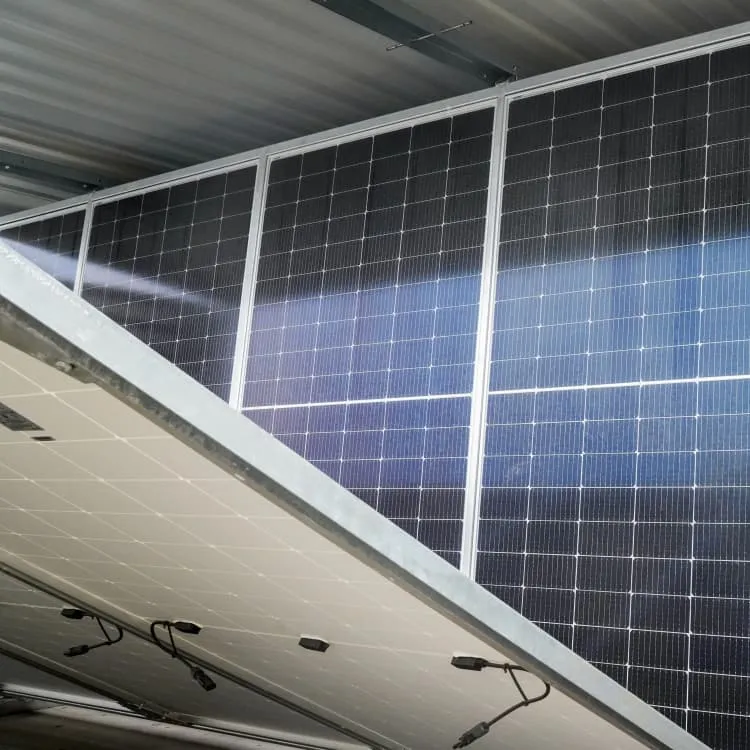
PV array made of cadmium telluride (CdTe) solar panels Cadmium telluride (CdTe) photovoltaics is a photovoltaic (PV) technology based on the use of cadmium telluride in a thin semiconductor layer designed to absorb and convert sunlight into electricity.
Cadmium telluride solar cells are the world’s leading thin-film photovoltaic technology. As of 2023, global installed capacity has surpassed 30 GWp, with about 40% of that capacity located in the United States. Their architecture can be simplified into several stacked layers, from bottom to top:
SETO released the Cadmium Telluride PV Perspective Paper in January 2025, outlining the state of CdTe PV technology and SETO’s priorities to reduce costs, address materials availability, and support the scale-up of CdTe within the domestic utility-scale PV market. A large-scale solar array in Colorado with CdTe modules.
Cadmium telluride photovoltaic cells have negative impacts on both workers and the ecosystem. When inhaled or ingested the materials of CdTe cells are considered to be both toxic and carcinogenic by the US Occupational Safety and Health Administration.
For example, the Bangladesh Energy Regulatory Commis-sion (BERC) Licensing Regu-lations 2006 do not include rules for licensing of energy storage technologies (except for pumped storage). The institutional framework for the procurement and deploy-ment of such projects is well established in the country.
Bangladesh’s utility electricity sector operates a single national grid, managed by the Power Grid Company of Bangladesh (PGCB), with an installed capacity of 25,700 MW as of June 2022. Bangladesh 's energy sector is not up to the mark. However, per capita energy consumption in Bangladesh is considered higher than the production.
Problems in Bangladesh's electric power sector include high system losses, delays in completion of new plants, low plant efficiency, erratic power supply, electricity theft, blackouts, and shortages of funds for power plant maintenance.
Various power sector agencies including Bangladesh Rural Electrification Board (BREB) and West Zone Power Distribution Company Limited (WZPDCL) have already deployed EV charging stations, as have various private investors (including SolShare).